

6 Common Needs Addressed by In-Home Care Services
In recent years, there has been an increasing demand for home health care services, driven largely by the aging population and the desire for many individuals to age in place. This trend is further fueled by the diverse needs of people with disabilities who require tailored support in the comfort of their home. Home health care services are integral in addressing common needs such as personal care, household management, and health monitoring.
1. Personal Care Assistance
Personal care assistance is one of the most critical services offered by home health care services. This assistance ensures that individuals maintain their hygiene and presentability, which are vital for their dignity and self-esteem. Given the data from Statista, 97% of older adults receiving home care require help with bathing, underscoring the importance of this support. Care aides assist with tasks such as bathing and grooming, ensuring that individuals feel refreshed and well-groomed, contributing positively to their mental well-being. By providing dressing support, care providers also help individuals select appropriate attire for different occasions, which reinforces their personal identity and confidence.
Maintaining mobility is another crucial aspect of personal care that helps individuals move safely within their homes, reducing the risk of falls and injuries. Mobility support extends to aiding with the use of assistive devices and ensuring homes are free of hazards that may impede movement. Furthermore, caregivers play a role in aiding with transfers, such as getting in and out of bed, which 91% of older adults reportedly need assistance with, according to Statista. Medication reminders are equally significant, as they ensure medications are taken on time and according to prescriptions, which is critical in managing health conditions effectively.
2. Housekeeping and Home Management
A clean and organized environment is fundamental to the well-being and comfort of individuals, a need that home health care services address effectively. Caregivers help to maintain a tidy home by performing cleaning and organizing tasks, thus ensuring a hygienic living space. This aspect of care is particularly important for older adults and those with disabilities, who might find household chores overwhelming or physically demanding. Laundry services, such as washing, drying, folding, and organizing clothes, are also provided to ensure personal items are clean and readily accessible. These tasks are essential not only for personal hygiene but also for fostering a sense of order and tranquility in the home.
Meal preparation and planning are other crucial components of home management, focusing on the sustenance and nutritional needs of individuals. Caregivers work closely with clients to plan meals that are both nutritious and tailored to specific dietary requirements, which is vital for managing health conditions. By handling grocery shopping, caregivers ensure that the home is stocked with healthy food choices and essential household supplies, alleviating a significant burden on the individual. Additionally, they assist in meal preparation, ensuring that meals are appetizing and suitable for the client’s nutritional needs. Home health care services ensure this provision enhances physical health and promotes a sense of independence and normalcy in daily life.
3. Companionship and Social Interaction
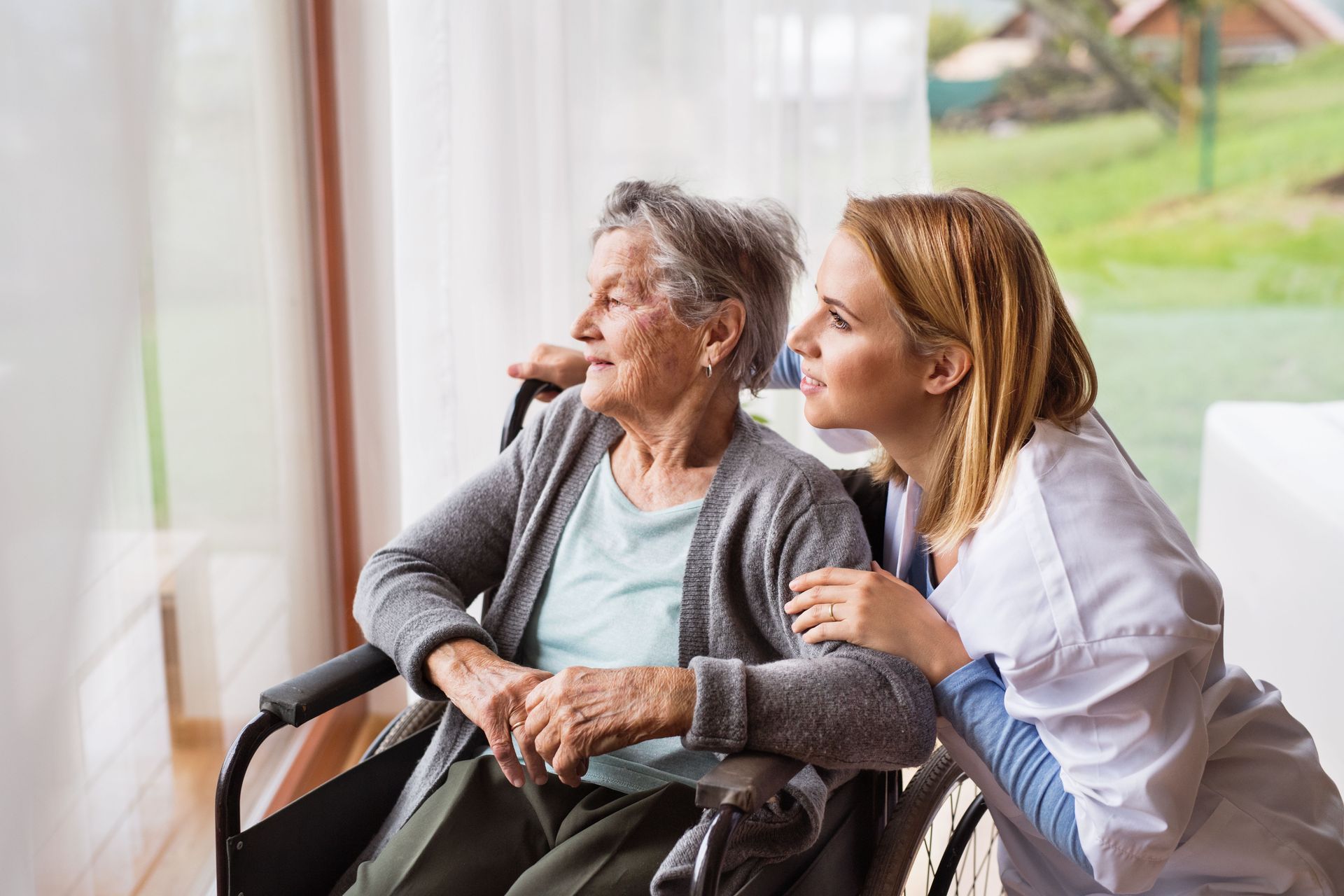
Companionship services provided by home health care services professionals are vital for preventing loneliness and providing emotional support to individuals, especially those living alone. Engaging in conversation and listening with empathy contributes to the emotional well-being of clients, helping them feel valued and socially connected. Beyond mere conversation, caregivers often participate in companionship activities such as playing games or engaging in hobbies, which are beneficial in keeping the mind sharp and spirits high. These interactions are crucial for countering feelings of isolation that can lead to mental health issues like depression.
Encouraging community engagement is another key aspect of social interaction services. Participation in community events and social gatherings allows individuals to maintain existing relationships and establish new ones, fostering a sense of community belonging. Caregivers may assist clients in attending such events, ensuring they remain active members of their community. For many, the ability to attend medical or social appointments without reliance on family members is liberating. The caregivers escort individuals to various appointments, providing both logistical support and companionship, facilitating smoother interactions with the outside world.
4. Health Monitoring and Support
Health monitoring is a critical service offered by home health care services that ensures the physical well-being of individuals is consistently assessed and managed. Professionals routinely check vital signs such as blood pressure and temperature, promptly notifying medical professionals or family members of any concerns. This proactive monitoring can prevent health issues from escalating, offering peace of mind to both individuals and their families. Furthermore, caregivers assist in the management of chronic diseases, ensuring medication is taken correctly and regularly monitoring health conditions. Chronic disease management is especially critical for aging adults who are often managing multiple health challenges simultaneously.
Rehabilitation support is another essential component, particularly for those recovering from surgery or managing physical impairments. Home health care services provide guidance and assistance with prescribed exercise programs, helping clients improve mobility and strength. This support is vital for promoting recovery and maintaining independence. Nutrition and diet counseling also play a significant role in health support services, providing individuals with consultations regarding healthy food choices that align with their medical conditions.
5. Specialized Care Services
For individuals with specific health needs, in-home care services offer specialized care solutions tailored to their unique conditions. Dementia and Alzheimer’s care, for instance, focuses on creating a stable environment with customized routines that support memory retention and reduce confusion. Specialized caregivers are trained to employ techniques that manage the symptoms and behaviors associated with cognitive impairments effectively. Their approach may include engaging with memory exercises or creating an environment conducive to cognitive stimulation. By fostering a setting of consistency and reassurance, caregivers can significantly enhance the quality of life for individuals living with dementia or Alzheimer’s disease.
Palliative and end-of-life care prioritize comfort and quality of life for individuals experiencing advanced illness stages. These services focus on pain management and provide emotional support, ensuring clients and their families are cared for with empathy and dignity during challenging times. Post-surgery care forms another facet of specialized services, offering support during recovery and rehabilitation at home.
6. Coordination with Health Professionals
An often overlooked yet essential component of home health care services is the coordination between caregivers and health professionals. Effective communication with doctors and medical teams ensures a comprehensive approach to care management. Caregivers often act as liaisons, relaying important health information between the client and their healthcare providers. This coordination helps in adapting care plans in response to changing health needs, ensuring the client receives up-to-date treatment and advice. By facilitating these communications, caregivers help bridge any gaps in care, fostering a seamless care experience for the individual.
In addition to direct communication with healthcare providers, they ensure that various health services, such as physiotherapy or nursing, are integrated smoothly into the client's routine, optimizing the benefits of multi-disciplinary approaches to health care. Regular health assessments conducted by caregivers help evaluate ongoing care requirements, allowing for the timely adaptation of services as needed.
Home health care services offer a multitude of benefits that address the common needs of various populations, particularly the elderly and those living with disabilities. These services help maintain independence, enhance health outcomes, and improve quality of life by providing personalized, empathetic care within the comfort of one's home. From personal care and home management to health support and specialized services, in-home care services encompass a wide range of needs, ensuring holistic and dignified support. The growing demand reflects its significance in catering to an aging population that values independence and comfort. For more information, please contact Caring Hearts Home Care today.






Share On: