

Life Changes That Often Lead Families to In-Home Senior Care
Chronic illness management is often a driving factor behind the decision to pursue in home senior care. Long-term health conditions such as diabetes, congestive heart failure, and severe arthritis can significantly impact a senior's ability to manage essential daily tasks independently. Professional care services offer necessary medical oversight, detailed medication management, and routine health monitoring to keep these chronic illnesses effectively controlled over time. The personalized attention provided by dedicated caregivers directly addresses the unique physiological needs of each individual, promoting physical stability and preventing dangerous health complications. Moreover, receiving continuous care at home can dramatically reduce costly hospital readmission rates, offering profound peace of mind to both aging seniors and their families.
Supporting Post-Surgical Healing Processes
Recovery from major surgery or recent hospitalization presents unique physical challenges that can be effectively addressed through specialized home support. Whether an individual is recuperating from a total joint replacement or an extensive cardiac procedure, the transition from a clinical environment back to home can feel overwhelming. Comprehensive in home senior care ensures that seniors receive the necessary physical support to safely navigate this critical rehabilitation period, preventing accidental reinjury and promoting faster healing. Caregivers provide hands-on assistance with physical therapy exercises, careful wound monitoring, and basic daily activities, thereby fostering a much smoother recovery process. According to the National Council on Aging, almost 58 million Americans are aged 65 or older and that number is projected to reach 88.8 million by 2060, meaning the demand for tailored recovery solutions continues to rise rapidly across the nation.
Navigating Cognitive Impairments and Dementia
Cognitive impairments and progressive dementia introduce complex, multifaceted care needs that require specialized support in comfortable surroundings. Seniors living with Alzheimer’s disease or other forms of cognitive decline benefit immensely from remaining in a familiar home environment, which helps minimize disorientation, anxiety, and behavioral distress. Trained in home senior care providers offer structured daily routines and gentle cognitive stimulation, both of which are essential for managing cognitive conditions effectively over time. These caregivers also serve as compassionate companions, offering consistent emotional support to seniors and family members navigating difficult behavioral shifts. This tailored approach improves daily patient outcomes while preserving dignity and personal identity.
Mitigating Hazard Risks and Fall Hazards
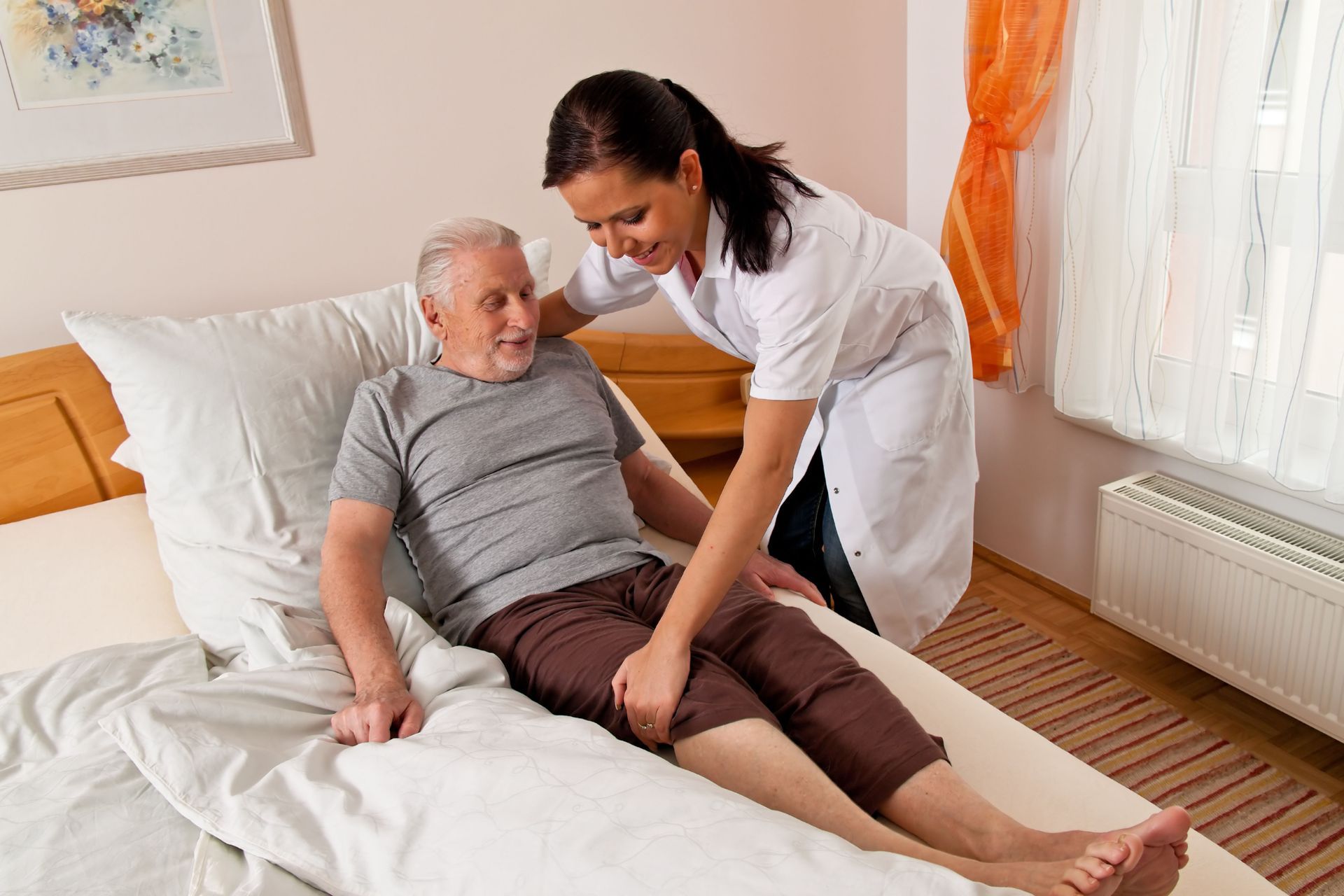
An increased risk of falls and declining physical mobility are critical safety concerns that lead many families to consider dedicated personal assistance. As physical strength and balance decline, everyday movements such as bathing, dressing, and navigating stairways become hazardous. Qualified in home senior care providers can evaluate the home layout and recommend vital safety modifications, such as installing sturdy grab bars, improving lighting, and eliminating trippable clutter. Caregivers also assist with doctor-prescribed mobility exercises aimed at improving leg strength and core balance, significantly reducing the likelihood of catastrophic falls. The continuous presence of a trained professional offers physical support while instilling a renewed sense of security and confidence.
Organizing Complex Medication Schedules
Medication management presents a formidable daily challenge for many aging adults, making personalized assistance a vital safety net. With advancing age, the complexity of managing multiple daily prescriptions increases, raising valid concerns regarding dosage accuracy, potential drug interactions, and strict schedule adherence. Dedicated in home senior care caregivers play an indispensable role in organizing daily pillboxes, providing timely reminders, and tracking prescription refills. This attentive oversight reduces the chances of adverse drug reactions while managing chronic health conditions more effectively. Maintaining a consistent medication regimen contributes directly to a senior's overall vitality, longevity, and everyday wellbeing.
Reconnecting Seniors with Community Life
Social isolation is a major risk factor following the loss of a life partner, making structured home care an appealing option to foster meaningful social engagement. Without the daily conversations once shared with a spouse, many seniors experience feelings of profound disconnection from the outside world. Professional caregivers help restore social connection through regular face-to-face interaction and by facilitating participation in local community events, senior center clubs, or social hobbies. This dedicated personal attention keeps aging adults mentally sharp and emotionally connected, mitigating the negative cognitive impacts associated with chronic loneliness. Engaged seniors remain healthier overall, and professional care provides the necessary framework to nurture these vital social connections.
Bridging Distances for Relocated Families
When family members relocate to different cities or states, professional care services provide an invaluable local support system. The physical absence of nearby relatives can leave seniors feeling vulnerable or isolated, especially if they previously relied on family for transportation and household help. Professional in home senior care bridges this geographical gap by ensuring a reliable caregiver is present to deliver social interaction, help with errands, and monitor health changes. Caregivers also serve as vital communication links, providing regular updates to distant family members. This continuous local presence gives families complete confidence that their loved one is safe and well-cared for despite the physical distance.
Preparing Nutritious Home-Cooked Meals
Maintaining proper nutrition is a cornerstone of healthy aging, yet meal preparation often becomes difficult for seniors dealing with reduced mobility, fatigue, or arthritis. Factors like cognitive decline or loss of taste can also lead to skipped meals or poor nutritional intake. Professional caregivers step in to plan, shop for, and cook balanced, nutrient-dense meals tailored to specific dietary requirements and medical conditions. Beyond fulfilling physical health needs, shared meal preparation provides pleasant opportunities for conversation and social connection, ensuring that dining remains a gratifying, healthy part of a senior's daily routine.
Providing Safe Community Transportation
Loss of driving privileges or fear of navigating busy roads can severely restrict a senior's independence, making reliable transportation assistance essential. When driving is no longer safe, accessing medical appointments, grocery stores, pharmacies, and social gatherings becomes challenging. Professional caregivers offer safe, dependable transportation and accompaniment, ensuring seniors can fulfill their daily responsibilities without feeling housebound or isolated. This mobility support protects personal autonomy while granting family members complete peace of mind, knowing their loved one is traveling safely with a trusted companion.
Facilitating Injury and Rehabilitation Recovery
Recovering from unexpected physical injuries, such as fractures or joint sprains, can be a daunting process that demands structured rehabilitation support at home. Following an accident, seniors often face temporary mobility limitations and require hands-on help with prescribed rehabilitation exercises and daily care routines. In-home caregivers assist in executing physical therapy plans safely while attending to domestic needs during the healing process. Their attentive presence reduces the risk of reinjury and accelerates recovery, allowing aging adults to rebuild physical strength and regain personal independence safely.
Resolving Sudden Primary Caregiver Absences
The sudden loss or temporary unavailability of a primary family caregiver creates an urgent void that requires immediate resolution. Whether due to unexpected illness, family emergencies, or caregiver burnout, the sudden absence of support can leave a vulnerable senior without essential care. Professional home care agencies can step in quickly to provide seamless continuity of care, ensuring that medication, nutrition, and personal hygiene needs are met without interruption. This rapid response stabilizes the household situation, eliminating panic and protecting the senior's ongoing health and safety.
Navigating life changes and health transitions requires compassionate, tailored support that honors a senior's independence and dignity. Choosing personalized assistance in the comfort of home ensures your loved ones receive expert oversight, emotional companionship, and comprehensive daily care. For compassionate, professional support tailored to your family's unique needs, connect with Caring Hearts Home Care.




Share On: