

The Top Benefits of Home Health Care for Chronic Illness Management
Chronic illnesses such as heart disease, diabetes, and chronic obstructive pulmonary disease require steady attention, regular monitoring, and a care plan that can adapt over time. As these conditions become more common, many patients and families are looking for practical ways to manage symptoms without sacrificing comfort or independence. Home health care offers an effective solution by bringing professional support directly into the home. This approach allows patients to receive medical attention in a familiar setting while still benefiting from structured oversight and personalized services. It also creates opportunities for stronger communication, better routines, and more responsive support as needs change.
Personalized Support for Chronic Condition Management
One of the biggest advantages of home health care is the ability to tailor services to the individual rather than applying a one-size-fits-all model. Care begins with understanding the patient’s medical history, current symptoms, medications, mobility limitations, and lifestyle habits. With this foundation, caregivers can help build a plan that reflects the person’s specific goals and challenges. That may include medication reminders, symptom tracking, wound care, therapy support, or assistance with basic daily tasks. Because the setting is more personal, providers can often notice subtle changes that might be missed during short office visits.
This individualized approach also helps patients feel more involved in their treatment. Instead of adjusting their lives around a hospital or clinic schedule, they can receive support in a way that fits their routines and preferences. Familiar surroundings often make it easier for people to stay calm, communicate honestly, and participate actively in decisions about their health. That sense of involvement can strengthen trust and improve consistency with care plans. For people living with long-term illness, that kind of stability can make a meaningful difference in day-to-day life.
Flexible Care Plans That Can Change With the Patient
Chronic illness management is rarely static. Symptoms can improve, worsen, or shift unexpectedly depending on medication response, stress, diet, physical activity, or other medical issues. A major strength of home health care is that it allows care plans to evolve more naturally as those changes occur. Caregivers can observe a patient’s condition regularly and communicate updates to physicians or family members when adjustments are needed. This ongoing attention supports timely intervention before minor concerns turn into more serious complications.
Flexibility also benefits families who are trying to balance work, caregiving, and personal responsibilities. Appointments and visits can often be coordinated more conveniently than repeated trips to outside facilities. In many cases, this reduces disruption while still giving the patient access to skilled services. The ability to adapt the level of support over time makes this model especially useful for people whose conditions require long-term oversight rather than occasional treatment alone.
Better Access to Medical Guidance and Resources
Patients with chronic conditions often need more than one type of support. They may require nursing care, medication oversight, therapy services, nutritional guidance, or communication with specialists. Home health care helps bring many of these resources together in a more coordinated way. Instead of leaving patients and relatives to manage every step alone, providers can help organize treatments, monitor progress, and relay important information across the care team. This more connected process can reduce confusion and help everyone stay aligned.
Telehealth has also expanded what is possible in the home setting. Patients can now connect with physicians and other professionals remotely for follow-up discussions, symptom reviews, and treatment guidance. This is especially useful for those with mobility limitations or transportation challenges. Having easier access to support encourages earlier reporting of symptoms and faster responses when issues arise. It also helps reduce the stress that comes from trying to arrange frequent travel for appointments while coping with a demanding health condition.
Improved Quality of Life at Home
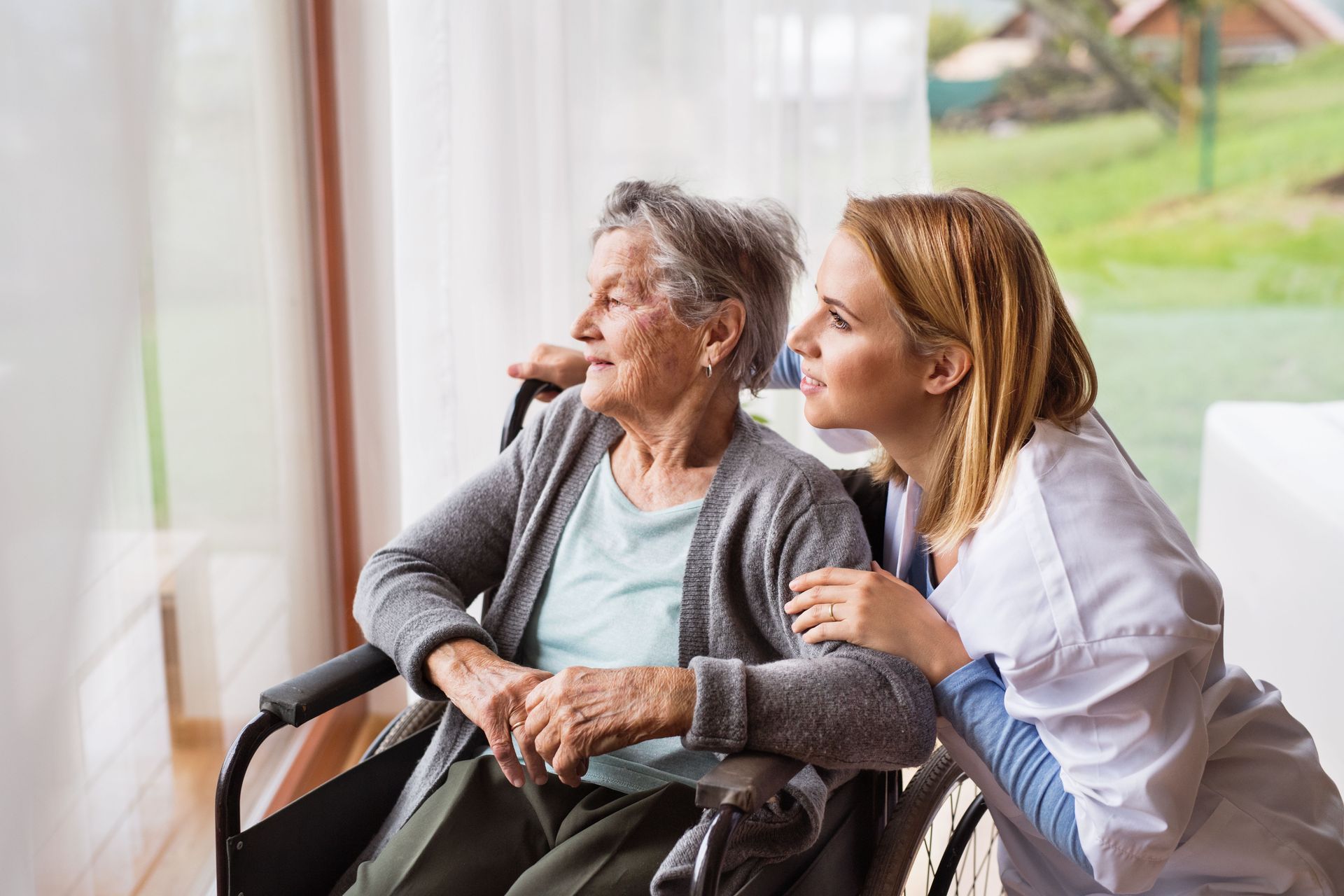
Quality of life matters just as much as clinical treatment when someone is living with an ongoing illness. Receiving services at home can lower stress, increase comfort, and help patients maintain more of their normal routines. They can rest in their own rooms, eat familiar meals, and remain close to loved ones while receiving assistance. These factors may seem simple, but they can have a powerful effect on emotional well-being and daily motivation. According to Market.US Media, research indicates that home healthcare can reduce hospital readmission rates by up to 25% for patients with chronic conditions such as heart failure and pneumonia.
Emotional support is another important part of this experience. Chronic illnesses can lead to anxiety, frustration, depression, or a sense of isolation, especially when symptoms interfere with independence. In-home caregivers often provide not only physical assistance but also reassurance, encouragement, and companionship. Patients may feel more comfortable expressing concerns in a private setting than in a busy medical office. These conversations can help identify emotional challenges early and create a more holistic plan for managing both physical and mental well-being.
Support for Independence and Daily Living
Many individuals with chronic illness want to remain as independent as possible, even when they need ongoing support. Home health care can make that goal more realistic by helping patients complete daily tasks safely instead of taking those tasks away completely. Assistance with bathing, dressing, meal preparation, mobility, and medication routines can be provided in a way that respects the patient’s abilities. This balance between help and independence supports confidence and preserves dignity.
Caregivers can also teach strategies that make everyday living easier. Patients may learn safer ways to move around the home, organize medications, prepare condition-appropriate meals, or follow therapy routines with greater consistency. When people feel more capable in their own environment, they are often more likely to stay engaged in their care. That sense of self-management can improve both outlook and outcomes over time.
Relief and Guidance for Family Caregivers
Family members often shoulder a large share of chronic illness management, and that responsibility can become exhausting. They may be trying to monitor medications, coordinate appointments, help with physical needs, and still handle jobs or children at the same time. Home health care eases some of that pressure by providing trained assistance and a more structured support system. This can reduce caregiver burnout and allow family members to focus more on emotional connection rather than constant task management.
Professional caregivers can also guide relatives on how to respond to symptoms, maintain safer routines, and support treatment goals more effectively. That added education helps families feel less overwhelmed and more confident. When everyone involved has a clearer understanding of the care plan, the home environment often becomes calmer and more organized. That benefits both the patient and the people supporting them every day.
Cost and Long-Term Health Benefits
Managing chronic illness through home health care can also be more cost-effective than relying heavily on hospital-based treatment. Frequent emergency room visits, readmissions, transportation costs, and extended facility stays can place a major financial burden on patients and families. Regular in-home monitoring can help catch issues earlier, support medication adherence, and reduce the likelihood of costly complications. Preventive attention often saves money while also reducing the physical and emotional toll of repeated hospital visits.
Over time, better monitoring, stronger communication, and more personalized support can lead to better health outcomes. Patients are more likely to follow treatment plans when care fits naturally into their lives and when they feel understood by the people helping them. For those living with long-term conditions, this model offers more than convenience. It provides a practical path toward safer management, greater comfort, and a more sustainable way to handle ongoing medical needs. Contact Caring Hearts Home Care today and learn more about our home care services.





Share On: