

3 Signs Home Health Care May Be the Right Choice for a Loved One
Caring for a loved one as they age or manage chronic illnesses poses numerous challenges for families. Determining the right time to consider home health care involves understanding the specific needs and circumstances that may necessitate such a transition. This article outlines crucial indicators of when home health care becomes a necessary consideration, highlighting the benefits it offers for individuals requiring assistance and their families.
1. Difficulty with Daily Living Activities
A. Challenges with Personal Hygiene
As individuals age or experience health challenges, maintaining personal hygiene can become increasingly difficult. Tasks such as bathing, dressing, or grooming may require assistance to ensure good hygiene and prevent health issues. When loved ones struggle with these basic activities, it often indicates a need for professional support. Home health care can provide the necessary assistance, ensuring individuals maintain their dignity and personal cleanliness. Professional caregivers are trained to support with these sensitive tasks while respecting the privacy and preferences of the individual.
B. Struggles with Meal Preparation
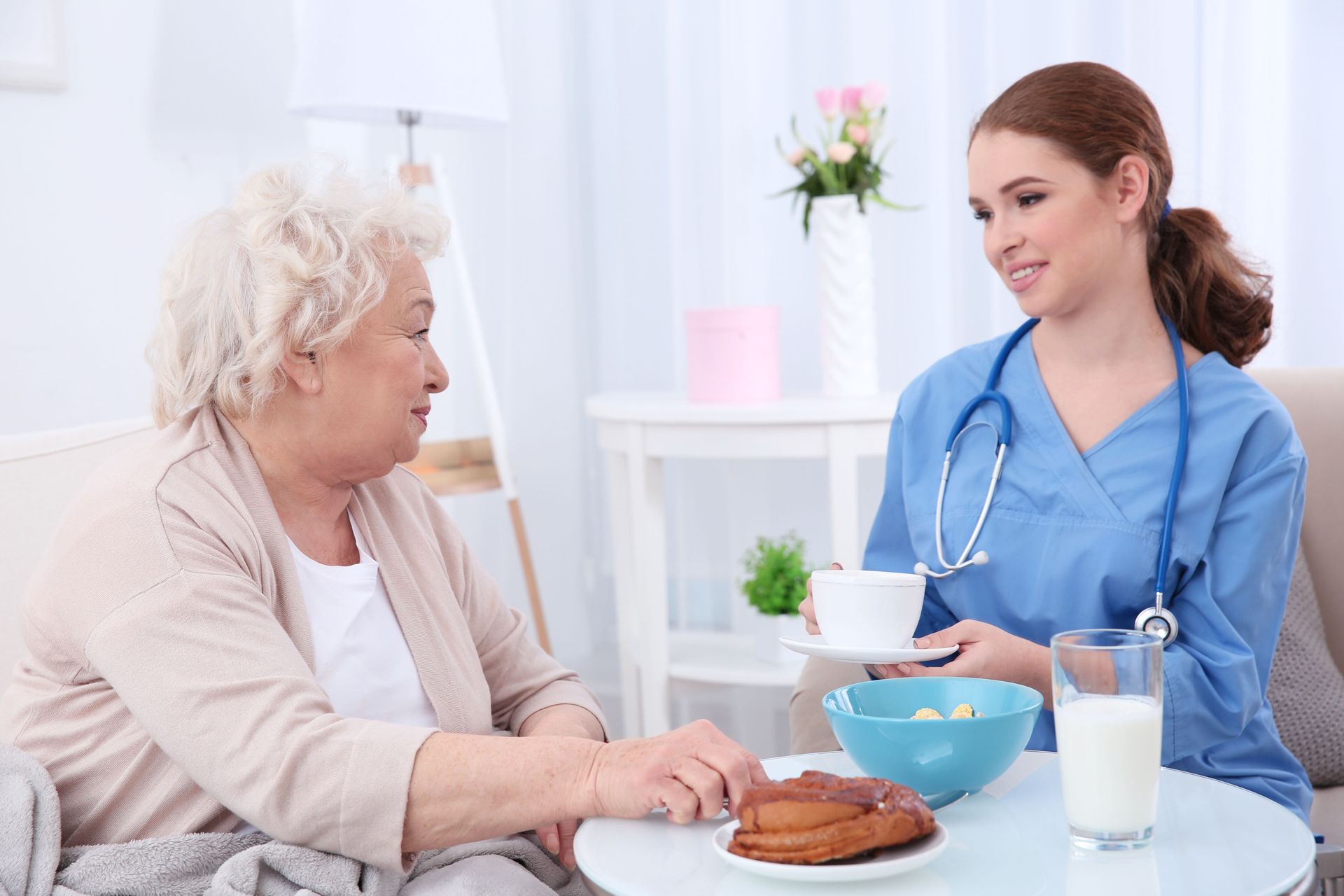
The ability to prepare meals safely and effectively is often hindered as a loved one faces physical or cognitive declines. Meal preparation becomes a significant challenge, placing individuals at risk for malnutrition or diet-related health issues. Home health care aides assist with meal planning, preparation, and ensuring nutritional requirements are met, offering both safety and dietary compliance. This support guarantees that individuals not only consume adequate nutrition but also experience the joy of meals tailored to their tastes and cultural preferences. As dietary needs change with age, having knowledgeable support can significantly improve one's overall health and quality of life.
C. Issues with Mobility and Transportation
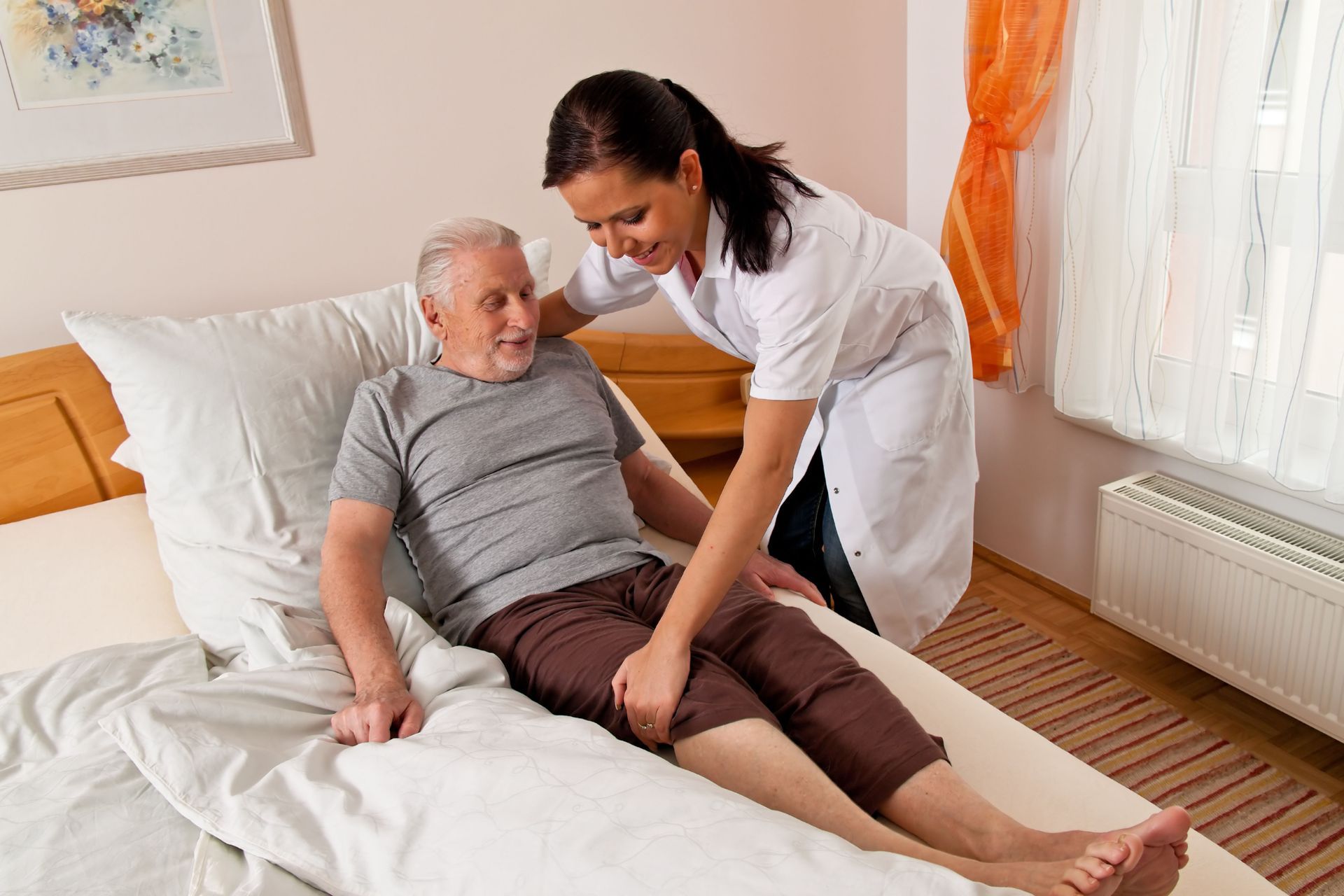
Mobility challenges can severely restrict an individual's ability to navigate their own home or travel to appointments, increasing their dependency on family members who may not always be available. Home health care services often include transportation assistance or in-home visits from healthcare professionals, reducing the need for travel. This support not only ensures regular healthcare maintenance and social engagement but also minimizes isolation. Regular physical activity and mobility support can prevent falls and other injuries. Safe and supportive transport options also alleviate logistical concerns, allowing families to focus on quality time together.
D. Problems Managing Household Tasks
Maintaining a household involves numerous tasks that can quickly become overwhelming for someone with physical or cognitive limitations. Cleaning, laundry, and basic home upkeep may fall behind, leading to unsanitary conditions. Home health care aides can help manage household tasks, maintaining a safe and healthy living environment while reducing the burden on family caregivers. This assistance ensures that homes remain clean and orderly, preventing minor issues from escalating into major safety hazards. With these responsibilities managed, individuals enjoy a more pleasant, stress-free living space.
E. Inability to Manage Personal Finances
Financial management often becomes challenging as cognitive or physical functions decline, potentially resulting in unpaid bills or financial exploitation. The complexity of managing finances in today's world necessitates clear, reliable management strategies. Many home health care agencies offer support, or can refer families to trusted financial advisors, thus safeguarding the individual's assets while maintaining their independence. This aspect of care ensures that financial responsibilities are met on time, providing peace of mind and security. Collaborative approaches in financial management help individuals retain control and confidence in managing their assets.
2. Frequent Health Care Needs
A. Chronic Illness Monitoring
Managing chronic illnesses often requires consistent monitoring and care, something that can be difficult for families juggling multiple responsibilities. Long-term conditions such as diabetes, heart disease, and hypertension demand vigilant tracking to prevent complications. Home health care offers specialized skills to monitor health indicators and adjust care as needed, minimizing the risk of exacerbations. This continuous care ensures timely interventions and personalized treatment adjustments. By having professional caregivers monitor these needs in the home, emergency medical situations are often reduced or avoided.
B. Medication Management
Consistent and accurate medication management is critical, especially for individuals managing multiple prescriptions. Complex medication regimens are essential yet often challenging for older adults. Skilled home health care professionals ensure adherence to prescribed schedules, preventing dangerous interactions or missed doses. This oversight is crucial in maintaining health, preventing hospitalizations, and alleviating the stress of managing a complicated medication calendar. With professional help, families can rest assured that their loved ones receive the correct dosages at the appropriate times.
C. Regular Vital Signs Check
Routine monitoring of vital signs such as blood pressure, heart rate, and respiratory status is critical for individuals with ongoing health issues. While hospitals and clinics provide these services during scheduled visits, daily fluctuations can go unnoticed. Home health care caregivers have the training and equipment to consistently monitor these indicators, offering early detection of potential problems. Regular vital checks help manage existing conditions and provide invaluable information for physicians to adjust treatments proactively. Such oversight solidifies a comprehensive care approach right in the home.
D. Post-Hospitalization Support
Recovery following hospitalization is crucial, with patients often requiring careful oversight. The transition from hospital to home presents risks such as infections or improper recovery techniques. Home health care provides significant post-hospitalization support, ensuring adherence to discharge instructions, wound care, and therapy requirements. Professional caregivers aid in managing these transitions, promoting healing without unnecessary stress. Their support is instrumental in facilitating the recovery process and achieving optimal health outcomes.
E. Specialized Therapy Requirements
For individuals requiring ongoing specialized therapy—whether physical, occupational, or speech—continuity of care is essential. These therapies support recovery and maintenance of function following an injury or illness. Home health care provides in-home therapy services, reducing the need for travel and providing comfort within familiar surroundings. Personalized therapy programs can be more effectively delivered and integrated into daily routines. This approach often accelerates recovery and enhances the quality of life through sustained support.
3. Safety Concerns at Home
A. Risk of Falling
Falls are a major concern for older adults, often leading to serious injuries and hospitalizations. According to the National Council on Aging, unintentional falls result in around 3 million emergency department visits among adults 65 and older each year. Home health care professionals can assess and modify one's living environment to enhance safety and reduce fall risks. Simple adjustments, such as securing loose rugs and installing grab bars, can prevent incidents. Regular physical therapy and mobility assistance further decrease the likelihood of falls, promoting safer living conditions.
B. Difficulty Using Home Appliances
Operating household appliances can become a complex task for individuals with diminished cognitive or physical capacities. Risks associated with improper handling of appliances can lead to accidents or damage. Home health care aides provide training, support, or alternative solutions to help manage appliance use safely. They ensure all necessary appliances are within easy reach and properly configured. Assisting with these daily tasks empowers individuals to maintain their routines while ensuring their safety.
C. Ineffective Emergency Response
Emergency preparedness is critical, particularly for those with health challenges who may not be able to respond effectively. When facing health emergencies like falls, strokes, or cardiac events, immediate and appropriate actions are required. Home health care agencies often include provisions for emergency protocols and systems, ensuring a rapid response. The presence of trained caregivers can significantly improve emergency outcomes through prompt action and proper procedures. This preparedness offers peace of mind, knowing that loved ones are secure and receiving adequate care when unexpected situations arise.
D. Physical Environment Hazards
Homes with physical hazards can pose risks for accidents, particularly for individuals with mobility or cognitive issues. Cluttered spaces, uneven floors, and poor lighting contribute significantly to safety concerns. Home health care professionals can assist in decluttering and organizing the living space to mitigate these hazards. Evaluating and adapting the environment promotes a safer, more accessible space for daily activities. By addressing these risks, individuals enjoy greater independence and the freedom to navigate their homes confidently.
Choosing home health care involves recognizing specific signs that indicate it may be beneficial for a loved one. By identifying challenges in daily living, frequent healthcare needs, home safety concerns, social isolation, caregiver stress, and the desire for independence, families can make informed decisions. Emphasizing timely intervention and support secures loved ones' health, security, and contentment. If you're looking for reliable
home health care in the Greater Des Moines area, reach out to Caring Hearts Home Care today!



Share On: