

The Emotional Benefits of Receiving Care at Home
The decision about how and where to receive care is one of the most significant decisions a person or family will ever face, and the emotional dimensions of that decision are just as important as the practical ones. For most people, the place where they feel safest, most purposeful, and most like themselves is their own home — the environment where their routines, memories, and personal identity are most fully present and most consistently supported. When care is brought to that familiar environment rather than requiring the person to leave it, the emotional experience of receiving that care is fundamentally different and often profoundly better than what institutional settings can provide. Understanding the full range of emotional benefits that come with receiving care at home helps families make more informed decisions about the kind of support that will truly serve their loved one's overall well-being.
Preserving a Sense of Independence and Personal Dignity
According to The Business Research Company, by 2030, one in six people worldwide will be over the age of 60, which means the question of how older adults receive care will become one of the most pressing social and personal issues that families across every community will face in the coming years. Home health care services that are delivered in the individual's own space allow the person receiving care to remain in an environment where they set the schedule, maintain their familiar routines, and make decisions about their daily life in ways that simply are not possible in a facility setting. The sense of autonomy that comes with remaining at home — eating when and what you prefer, sleeping according to your own rhythms, and moving through a space that is entirely your own — contributes directly to a person's sense of dignity and self-worth throughout every stage of the care relationship.
Reducing the Anxiety and Disorientation That Transition Can Cause
Moving to an unfamiliar care environment is one of the most consistently disorienting experiences an older adult can face, particularly for individuals dealing with cognitive changes that make adapting to new spaces, routines, and unfamiliar faces especially challenging and emotionally taxing over an extended period. Home health care services remove the transition burden entirely by bringing professional, compassionate care into the environment the person already knows — the home where their furniture, photographs, and personal belongings create a context of familiarity that grounds and reassures them throughout every interaction with a caregiver. The absence of that adjustment stress allows the individual to direct their emotional energy toward connection, comfort, and the enjoyment of daily life rather than spending it on the exhausting and sometimes destabilizing work of adapting to entirely new surroundings at a time in life when stability matters most.
Supporting Emotional Wellbeing Through Consistent Companionship
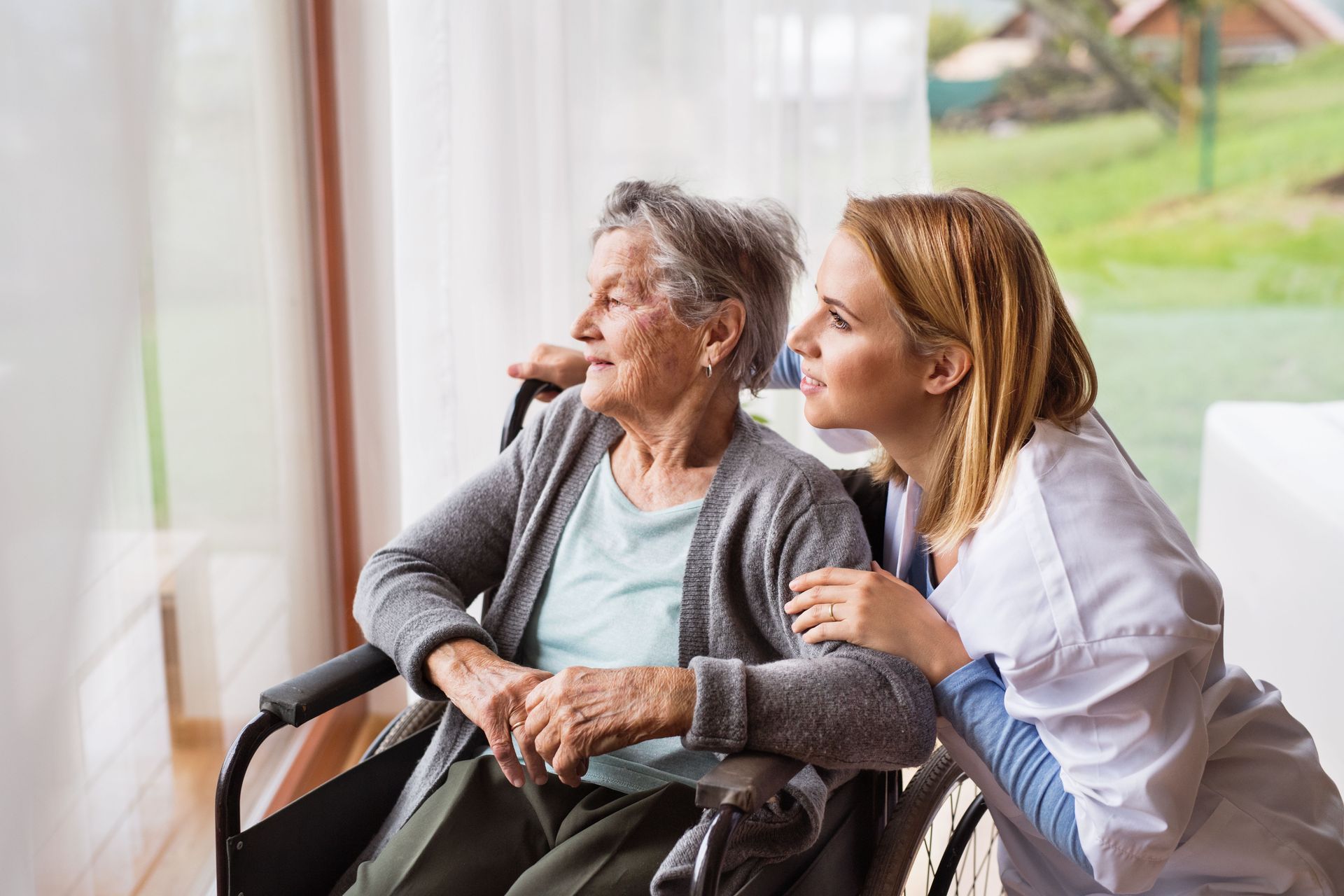
Loneliness and social isolation are among the most significant contributors to emotional and cognitive decline in older adults, and the consistent presence of a compassionate caregiver in the home addresses this need in a way that scheduled visits or remote communication simply cannot replicate with the same depth or regularity. Home health care services that include companionship as a core component of the care relationship give the individual someone who is genuinely present — for conversation, for shared activities, for the small but meaningful interactions that signal to a person that they are seen, valued, and not alone in their day. The relationship that develops between a client and a trusted caregiver over time becomes one of the most emotionally sustaining aspects of the entire care experience, providing a consistent source of warmth and human connection that directly supports the mental and emotional health of the person in their care.
Easing the Emotional Weight of Specialized and Memory Care
Individuals living with Alzheimer's disease, dementia, or other conditions that affect memory and cognition face a uniquely heightened need for emotional safety, consistency, and the kind of patient and knowledgeable care that matches their specific experience of the world rather than requiring them to conform to the pace and environment of a generalized care setting. Home health care services that include specialized Alzheimer's and dementia care bring professionally trained caregivers who understand the emotional landscape of cognitive decline and who respond to confusion, anxiety, and distress with the compassion and expertise that makes a measurable difference in how the person experiences their daily life. Remaining at home — surrounded by familiar objects, established routines, and the reassurance of a known environment — consistently reduces the anxiety and agitation that cognitive changes can produce, creating a more emotionally stable and more comfortable daily experience for both the individual and the family members who love them.
Giving Families Peace of Mind and Reducing Caregiver Burden
The emotional well-being of a person receiving care is deeply connected to the emotional state of the family members surrounding them, and families who are stretched thin by the demands of informal caregiving — without adequate support, respite, or professional backup — often find that their own emotional exhaustion affects the quality of every interaction they have with the person in their care. Home health care services that include hourly and respite care options give family caregivers the protected time they need to rest, attend to their own lives, and return to their caregiving role with renewed patience and emotional presence rather than the burnout that sustained caregiving without relief consistently produces. Knowing that a trusted, bonded, and insured professional caregiver is present with their loved one gives family members a level of peace of mind that fundamentally changes their own emotional experience of the caregiving journey, allowing them to be more fully present as family members rather than being consumed by the logistics and anxieties of providing care without adequate support.
Supporting Post-Surgical Recovery in a Comfortable Environment
The period following surgery or a medical event is one of the most emotionally vulnerable phases in an adult's experience of the healthcare system, combining physical discomfort with the uncertainty of recovery timelines, the fear of setbacks, and the disorientation that hospital and rehabilitation facility environments can create for people who are already dealing with significant physical and emotional stress. Home health care services that support post-surgical recovery allow the individual to complete the most demanding phase of their healing in the environment where they feel most secure, surrounded by their own belongings and supported by caregivers who provide personalized attention rather than the rotating staff and institutional routines of a facility-based recovery. The emotional comfort of recovering at home, knowing that personal care, medication reminders, meal preparation, and compassionate presence are all available without leaving a familiar and reassuring environment, consistently supports a more positive recovery experience for both the individual and their family.
The emotional benefits of receiving care at home are not secondary to the practical ones — they are central to what makes in-home care such a meaningfully different and often superior experience compared to institutional alternatives for individuals who can remain safely in their own environments with the right level of professional support. From preserving independence and reducing anxiety to supporting specialized memory care, easing family caregiver burden, and empowering individuals to live with ongoing purpose and dignity, every emotional benefit described here reflects what home health care services can genuinely deliver when they are provided by compassionate and professionally trained caregivers who are truly invested in the well-being of every person in their care. Caring Hearts Home Care has proudly served seniors and families throughout the Greater Des Moines area since 2011, offering hourly and respite care, 24-hour care, specialized Alzheimer's and dementia care, personal care, companionship, medication reminders, and meal preparation, all delivered by bonded and insured professional caregivers backed by rigorous training through the In The Know program, calls answered by office staff 24/7, a free in-home consultation, and the family-owned commitment to quality home health care services that Central Iowa families have depended on for more than a decade. For more information, contact us today!






Share On: