

The Future of Home Health Care Amid Senior Population Growth
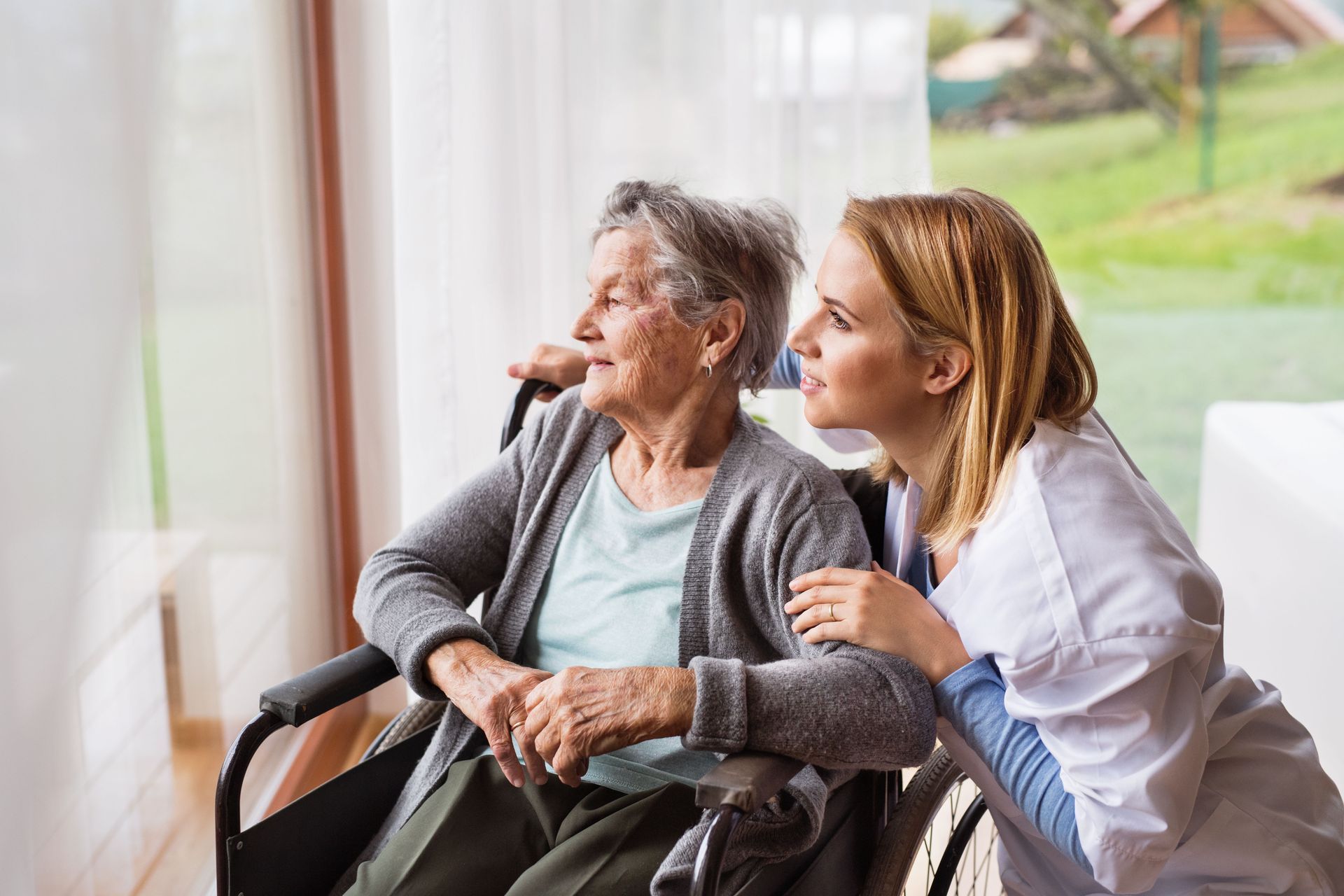
The global population is undergoing a profound structural shift as medical breakthroughs and improved living standards allow millions of seniors to enjoy longer lives. As demographic patterns tilt decisively toward older generations, healthcare systems worldwide face operational challenges alongside remarkable opportunities for innovation. More aging adults than ever require reliable medical services to manage chronic illnesses, maintain mobility, and preserve daily autonomy. Traditional facilities cannot absorb this influx alone, placing severe strain on hospitals, nursing homes, and residential clinics. Meeting this surge requires adaptive approaches to treatment delivery, modernization of operational models, and forward-looking policy frameworks. As the industry evolves, home health care serves as a foundational pillar for sustainable, person-centered support that honors dignity while relieving pressure on institutional infrastructure.
Analyzing Demographic Shifts and Global Longevity
The demographic transformation occurring across the globe represents a historic milestone, with older adults living longer than ever before. However, extended longevity increases the prevalence of chronic conditions, including cardiovascular disorders, cognitive decline, arthritis, and diabetes. Managing these multifaceted ailments requires an adaptable approach emphasizing continuity and comfort rather than reactive intervention. According to Health Stream, the number of people over the age of 80 is expected to increase by 79% by 2030, highlighting an urgent imperative for health organizations to overhaul their operational capacities. Without proactive restructuring, the expanding gap between vulnerable seniors and available resources will severely strain medical networks. Preparing for this boom requires modernizing service channels so that aging individuals can access specialized assistance directly at home.
Bridging Geographic Disparities in Underserved Communities
The geographic distribution of seniors introduces logistical complexities that significantly influence medical accessibility and quality of life. In metropolitan areas, dense transit networks, concentrated facilities, and abundant staffing make establishing in-home support manageable. Conversely, aging adults in rural regions frequently encounter severe barriers, including lengthy travel distances, limited broadband coverage, and persistent provider shortages. When isolation prevents seniors from receiving routine checkups, minor health concerns often escalate into avoidable emergencies, driving up hospitalization rates. Ensuring equitable home health care across rural territories requires innovative strategies, such as decentralized logistics, mobile clinics, and targeted practitioner incentives. Overcoming this divide remains vital for building an inclusive care infrastructure.
Adopting Digital Health and Remote Monitoring Tools
Technological breakthroughs are fundamentally reshaping how medical teams administer supportive therapies outside traditional clinical walls. Telehealth consultations allow elderly patients to interact with physicians and nurses from home, eliminating stressful travel and mobility hurdles. In tandem with virtual visits, sophisticated remote monitoring systems continuously track vital signs such as cardiac rhythms, glucose levels, and blood pressure. These systems alert clinical teams when metrics drift beyond normal parameters, enabling prompt intervention before emergencies arise. Additionally, wearable sensors and smart motion detectors provide continuous oversight, helping older adults maintain independence safely. Integrating these digital tools into home health care enhances clinical accuracy while empowering seniors to participate actively in their wellness.
Safeguarding Sensitive Data in Connected Environments
While digital advancements offer immense clinical benefits, deploying connected medical devices introduces serious concerns regarding data security and personal privacy. Wearables, smart home sensors, and cloud portals continuously generate vast repositories of sensitive biometric information. If left unguarded, these vulnerable data streams could become targets for unauthorized access, identity theft, or commercial exploitation. Maintaining patient trust requires healthcare organizations to implement end-to-end encryption, strict user authentication, and regular cybersecurity assessments. Furthermore, providers must educate aging clients and families on fundamental digital hygiene, ensuring transparent consent procedures and secure communication practices. Balancing technological efficiency with uncompromising privacy protections ensures that connected systems remain secure and trustworthy.
Personalizing Care Plans Through Cultural Competence
Senior populations are remarkably diverse, representing varied socioeconomic backgrounds, languages, religious beliefs, and cultural traditions. Standardized medical interventions often fail to accommodate these nuances, leading to misunderstandings, reduced compliance, and subpar therapeutic outcomes. Clinicians must design personalized regimens that account for individual physical requirements, emotional preferences, and domestic environments. Cultural competence training enables providers to communicate respectfully, understand traditional dietary preferences, and honor familial customs regarding medical choices. By respecting the unique values of each individual, personalized home health care models foster genuine trust, strengthen patient rapport, and improve treatment adherence. Delivering compassionate care means honoring who a person is, not merely treating isolated ailments.
Engaging Family Networks and Community Coalitions
Effective in-home support depends on strong collaboration between professional caregivers, informal family networks, and local community organizations. Family caregivers frequently bear substantial physical, financial, and emotional responsibilities, which can lead to severe burnout if outside assistance is unavailable. Integrating family members into formal care planning ensures that daily routines align with household dynamics while providing relatives with clear guidance and peace of mind. Concurrently, community resources—such as volunteer transit programs, meal delivery initiatives, and adult day centers—create an essential social safety net. By establishing cohesive alliances between professional teams and local communities, home health care providers create sustainable environments where elderly individuals feel genuinely supported and valued.
Expanding Healthcare Workforces and Reducing Caregiver Turnover
The rapid expansion of the aging population has exacerbated an existing shortage of licensed nurses, certified nursing assistants, and aides. This workforce deficit threatens the accessibility and standard of home assistance just as demand reaches unprecedented heights. To attract and retain dedicated professionals, the medical sector must prioritize competitive wages, robust benefits, mental health resources, and transparent pathways for career advancement. Ongoing education programs focused on geriatric physiology, dementia management, and modern technologies are equally essential for boosting caregiver confidence. Reducing administrative burdens through intuitive software also frees practitioners from tedious paperwork, allowing them to focus directly on patients. Sustaining the home health care workforce is essential to meeting future demand without sacrificing care quality.
Navigating Financial Frameworks and Long-Term Sustainability
Economic viability remains a central challenge in scaling in-home medical services across expanding populations. In-home care models are recognized for their cost-effectiveness relative to institutional facilities, as preventive home checkups drastically reduce costly emergency room admissions. Nevertheless, existing reimbursement structures under public and private insurance systems often fail to keep pace with changing care delivery methods. Modernizing payment systems to reward preventative interventions and health maintenance, rather than merely procedural volume, will encourage providers to maintain rigorous standards. Furthermore, public-private partnerships can foster capital investments in local infrastructure, helping offset initial technology expenses. Establishing balanced funding models will ensure that high-caliber home health care remains affordable and accessible for generations to come.
Advocating for Policy Reform and Multi-Agency Collaboration
Sustaining systemic improvements in elder care requires proactive advocacy and targeted legislative reform. Policymakers must work closely with medical professionals, advocacy groups, and technology developers to craft clear regulations that protect patients while encouraging service innovation. This includes streamlining interstate licensing requirements for medical staff, expanding insurance coverage for virtual consultations, and providing tax credits for families supporting aging relatives. Additionally, stronger collaboration between acute hospital networks, primary care clinics, and community service organizations ensures seamless transitions for patients returning home after procedures. Comprehensive advocacy ensures that public policy actively nurtures supportive domestic environments, creating an ecosystem where older citizens receive holistic attention.
Building Resilient Infrastructure for Senior Independence
The demographic expansion of older generations represents both a profound societal responsibility and a catalyst for positive transformation. Meeting the complex needs of aging adults requires the systematic integration of cutting-edge technology, personalized care plans, resilient workforce initiatives, and modern financial policies. By shifting the primary locus of care from overcrowded facilities to supportive domestic settings, our society can empower seniors to retain their independence, dignity, and personal comfort. As communities adapt to this evolving landscape, dedicated organizations stand ready to guide families through every step of the journey. For families seeking dependable, compassionate, and expert support for their loved ones, Caring Hearts Home Care delivers exceptional care tailored to help seniors thrive gracefully within the sanctuary of home.





Share On: